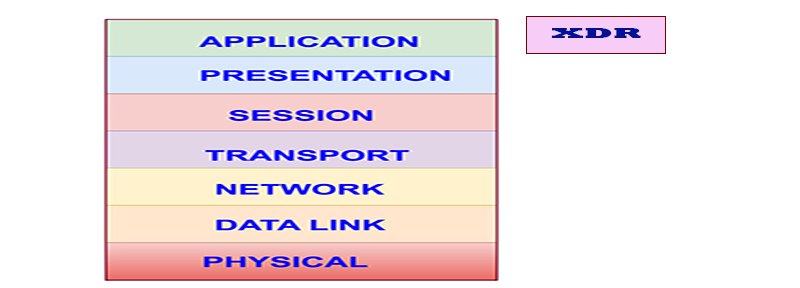
XDR

XDR: External Data Representation Standard – Introduction

Posted on | | Leave a Comment on XDR: External Data Representation Standard – Introduction

XDR: External Data Representation Standard – Introduction   XDR is a standard for the description and encoding of data.  It is useful for transferring data between different computer architectures and has been used to communicate data between such diverse machines as the SUN WORKSTATION*, VAX*, IBM-PC*, and Cray*. XDR fits into the ISO presentation layer […]
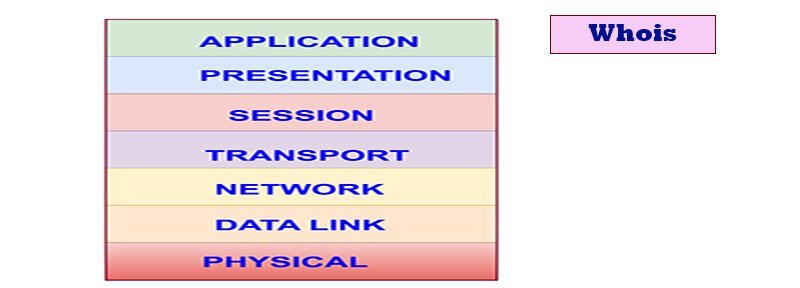
Whois and OSI Layer

Whois Protocol

Posted on | | 1 Comment on Whois Protocol

Whois Protocol What is Whois Protocol? To answer this we are aware that finding information on the Internet is getting easier thanks to the multitude of search engines, meta-search engines, intelligent agents, and more. However, with the ever-growing number of users, hosts, and domains, locating information about people, host computers, and domains can be difficult. […]

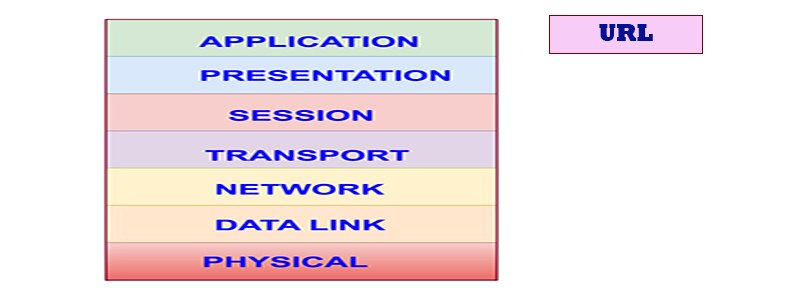
URL and TCP/IP

Uniform Resource Locators (URL)

Posted on | | Leave a Comment on Uniform Resource Locators (URL)

Uniform Resource Locators (URL) General URL Syntax Just as there are many different methods of access to resources, there are several schemes for describing the location of such resources. URLs are used to `locate’ resources, by providing an abstract identification of the resource location.  Having located a resource, a system may perform a variety of […]

UDP and OSI Layers

User Datagram Protocol (UDP)

Posted on | | Leave a Comment on User Datagram Protocol (UDP)

User Datagram Protocol User Datagram  Protocol  (UDP)  is defined to make available a datagram mode of packet-switched computer communication in the environment of an interconnected set of computer networks.   This protocol assumes that the Internet Protocol (IP) is used as the underlying protocol. This protocol provides a procedure for application programs to send messages to […]

TELNET and TCP/IP

TELNET PROTOCOL

Posted on | | Leave a Comment on TELNET PROTOCOL

TELNET PROTOCOL The purpose of the TELNET Protocol is to provide a fairly general, bi-directional, eight-bit byte oriented communications facility.  Its primary goal is to allow a standard method of interfacing terminal devices and terminal-oriented processes to each other. It is envisioned that the protocol may also be used for terminal-terminal communication and process-process communication. […]