RDP and TCP/IP

Reliable Data Protocol (RDP)

Posted on | | Leave a Comment on Reliable Data Protocol (RDP)

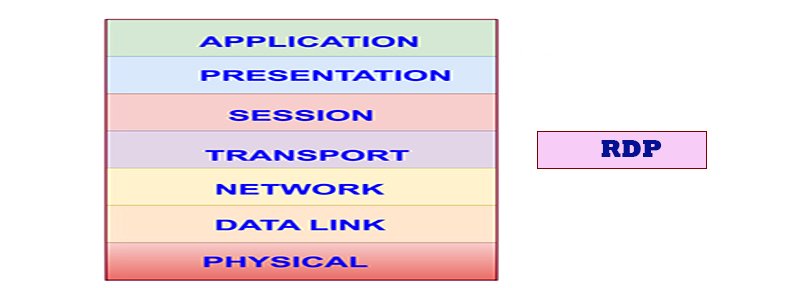
Reliable Data Protocol (RDP) The Reliable Data Protocol (RDP) is designed to provide a reliable data transport service for packet-based applications such as remote loading and debugging.  The protocol is intended to be simple to implement but still be efficient in environments where there may be long transmission delays and loss or non-sequential delivery of […]

POP3 and TCP/IP

Post Office Protocol (POP3)

Posted on | | Leave a Comment on Post Office Protocol (POP3)

Post Office Protocol 3 The overall communication model used for TCP/IP email provides many options to an email user for accessing her electronic mailbox. The most popular access method today is the simple offline access model, in which a client device accesses a server, retrieves mail, and deletes it from the server. POP was designed […]

NTP and TCP/IP

Network Time Protocol (NTP) – Version 3

Posted on | | Leave a Comment on Network Time Protocol (NTP) – Version 3

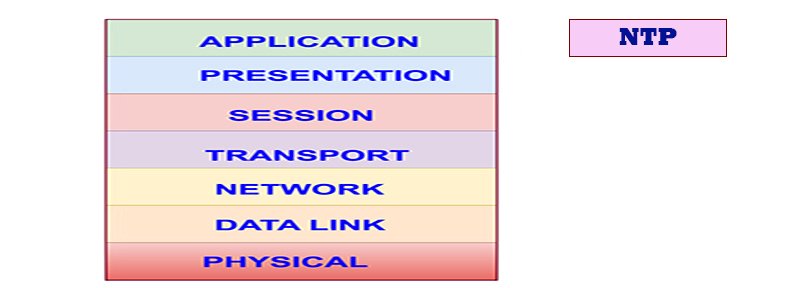
  Network Time Protocol (NTP) – Version 3 The Network Time Protocol (NTP) Version 3, which is used to synchronize timekeeping among a set of distributed time servers and clients. It defines the architectures, algorithms, entities, and protocols used by NTP. NTP was first described in RFC-958. NTP Version 2 described in RFC-1119. It is […]

NNTP and TCP/IP

Network News Transfer Protocol (NNTP)

Posted on | | Leave a Comment on Network News Transfer Protocol (NNTP)

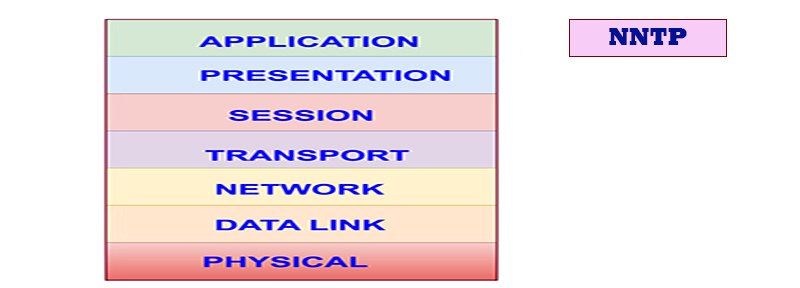
Network News Transfer Protocol (NNTP)   We are by nature both highly social and creative animals, and as a result, we are always finding new ways to communicate. It did not take long after computers were first connected together for it to be recognized that those interconnections provided the means to link together people as […]

NAT and TCP/IP

IP Network Address Translation (NAT) Protocol

Posted on | | Leave a Comment on IP Network Address Translation (NAT) Protocol

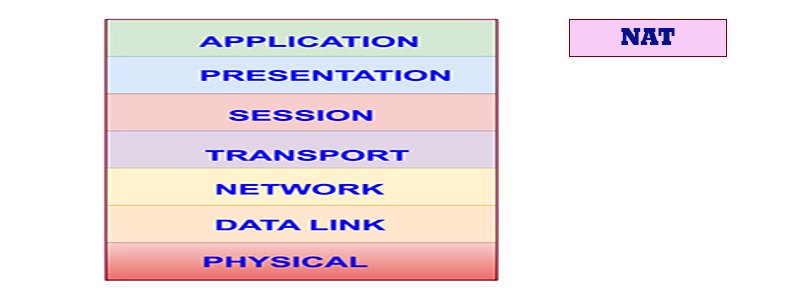
IP Network Address Translation (NAT) Protocol   To help extend the life of the IPv4 addressing scheme while the newer IPv6 protocol is developed and deployed, other technologies have been developed. One of the most important of these is IP Network Address Translation (NAT). This technology allows a small number of public IP addresses to […]

IPv6 and TCP/IP

Internet Protocol, Version 6 (IPv6)

Posted on | | Leave a Comment on Internet Protocol, Version 6 (IPv6)

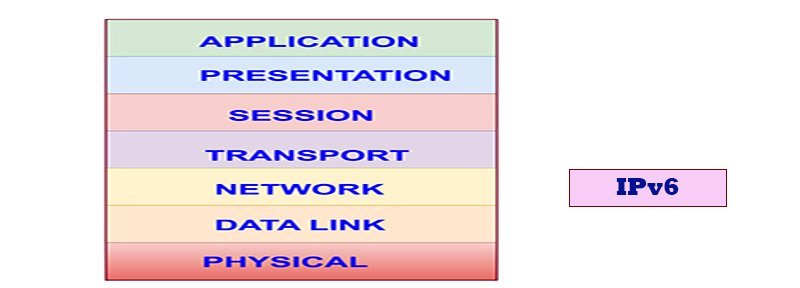
Internet Protocol, Version 6 (IPv6) IP version 6 (IPv6) is a new version of the Internet Protocol, designed as the successor to IP version 4 (IPv4) [RFC-791]. The changes from IPv4 to IPv6 fall primarily into the following categories: Expanded Addressing Capabilities: IPv6 increases the IP address size from 32 bits to 128 bits, to […]